Adjustable Hoist Stirrup About
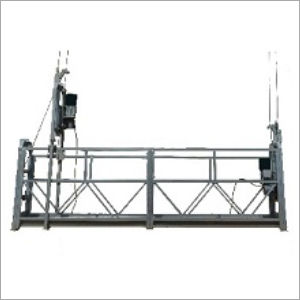
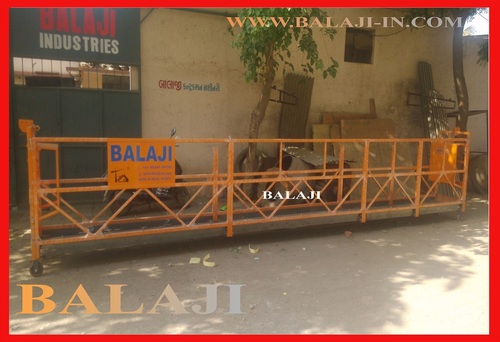
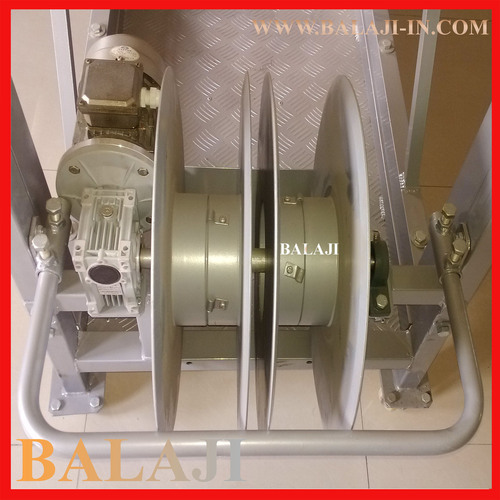
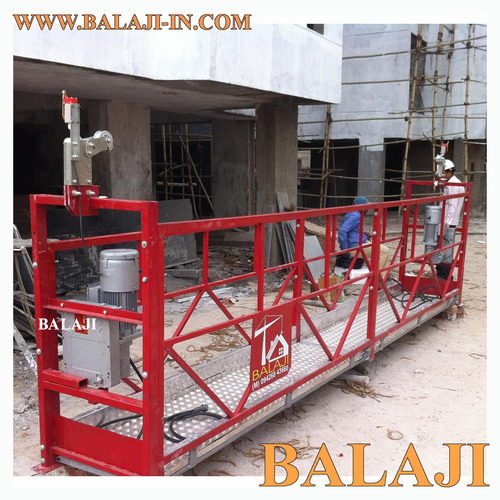
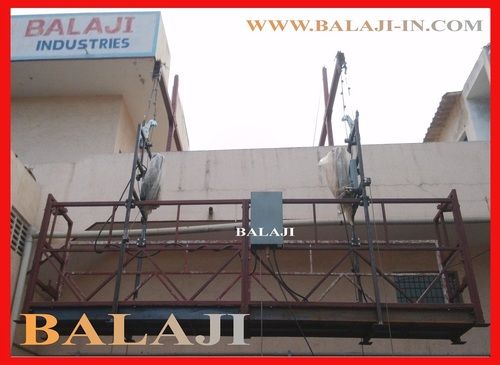
Adjustable Hoist Stirrups are quick as well as simple to use when setting height is up to the bearer. These are perfect for use on regions where the ground has a "fall", to render a level bearer height. The heavy duty as well as fully hot dip galvanized polishing of these products insure long life-span without any failure. The locking nuts of these products ensure absolute rigidity and can be employed to prop up the existing bearers or floor beams that have sagged over a period of time. Easily employed with width bearers of assorted heights, the applications of these include stairs, post supports, building of ramps, adjusting the rafter assistance to come through the pitch on a skill-ion roof. Provided Adjustable Hoist Stirrups are made for easy operation as well as effortless maintenance.
Versatile and Customizable DesignThe Adjustable Hoist Stirrup stands out for its customizable dimensions, colors, and adjustable arms and forks, allowing it to meet diverse lifting and hoisting needs. Its heavy-duty rectangular construction and robust powder-coated finish provide protection against corrosion and ensure a long-lasting performance even in challenging industrial environments.
Enhanced Safety Features and ComplianceThis hoist stirrup is designed with operator safety in mind. It comes equipped with a reliable manual locking mechanism and overload protection to reduce risks during operation. Additionally, all units adhere to IS Standards or can be tailored for specific compliance requirements, providing peace of mind in demanding workspaces.
Efficient Lifting and Quick InstallationWith a quick-lift manual operation and an easy installation process, this hoist stirrup lets you get started with minimal downtime. Its manual power source and operator-dependent speed provide precise control over every lift, while the minimal turning radius maximizes maneuverability in tight work areas.
FAQs of Adjustable Hoist Stirrup:
Q: How is the Adjustable Hoist Stirrup installed at construction or warehousing sites?
A: The hoist stirrup is engineered for easy installation. It arrives with clear instructions and requires only basic tools, allowing skilled personnel to set it up efficiently on-site without need for advanced equipment.
Q: What process should I follow to customize the dimensions or color of my hoist stirrup?
A: Customization is straightforward: simply specify your preferred color (blue or yellow) and desired dimensions (length, width, height, fork width, or fork length) during your order. The manufacturer will tailor the product to your requirements, ensuring optimal fit and function.
Q: When should overload protection and manual braking features be engaged during usage?
A: Engage the overload protection before lifting/hoisting heavy loads to ensure safety and mechanical integrity. The manual braking mechanism should be applied during lifting and when the load needs to be securely held in place or while making adjustments to prevent accidental release.
Q: Where can the Adjustable Hoist Stirrup be effectively utilized?
A: This stirrup is ideal for use on construction sites and in warehousing environments where heavy objects need reliable, flexible lifting and hoisting. Its robust design also makes it suitable for any industrial application demanding safe manual load handling.
Q: What are the main benefits of choosing this adjustable hoist stirrup?
A: Key benefits include high lifting capacity (up to 1 ton), customizable size and color, corrosion-resistant, powder-coated steel construction, manual operation for controlled lifting, easy installation, and compliance with safety standards. Its adaptability and reliability improve operational efficiency and workplace safety.
Q: How does the manual operation influence the lifting speed and efficiency?
A: Manual operation enables operators to control the lifting speed according to the load, optimizing safety and reducing risk of overload. The quick-lift mechanism ensures efficient operation, though the actual speed varies depending on the operators input and the weight of the load being handled.







 English
 Spanish
 French
 German
 Italian
 Chinese (Simplified)
 Japanese
 Korean
 Arabic
 Portuguese
 Send Inquiry

